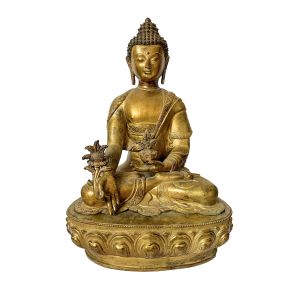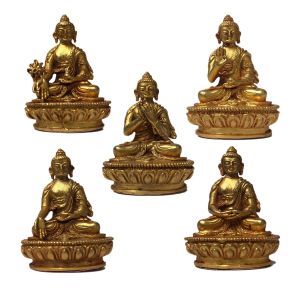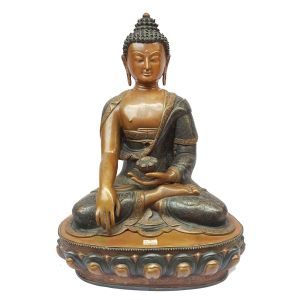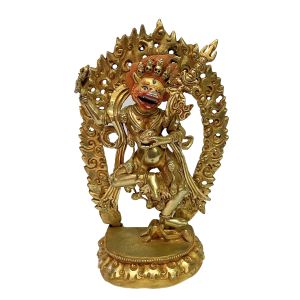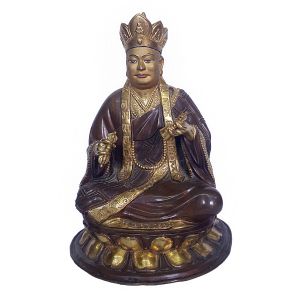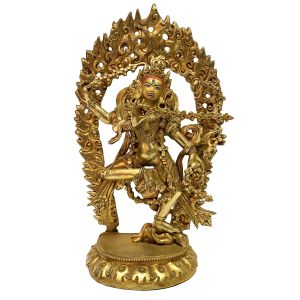
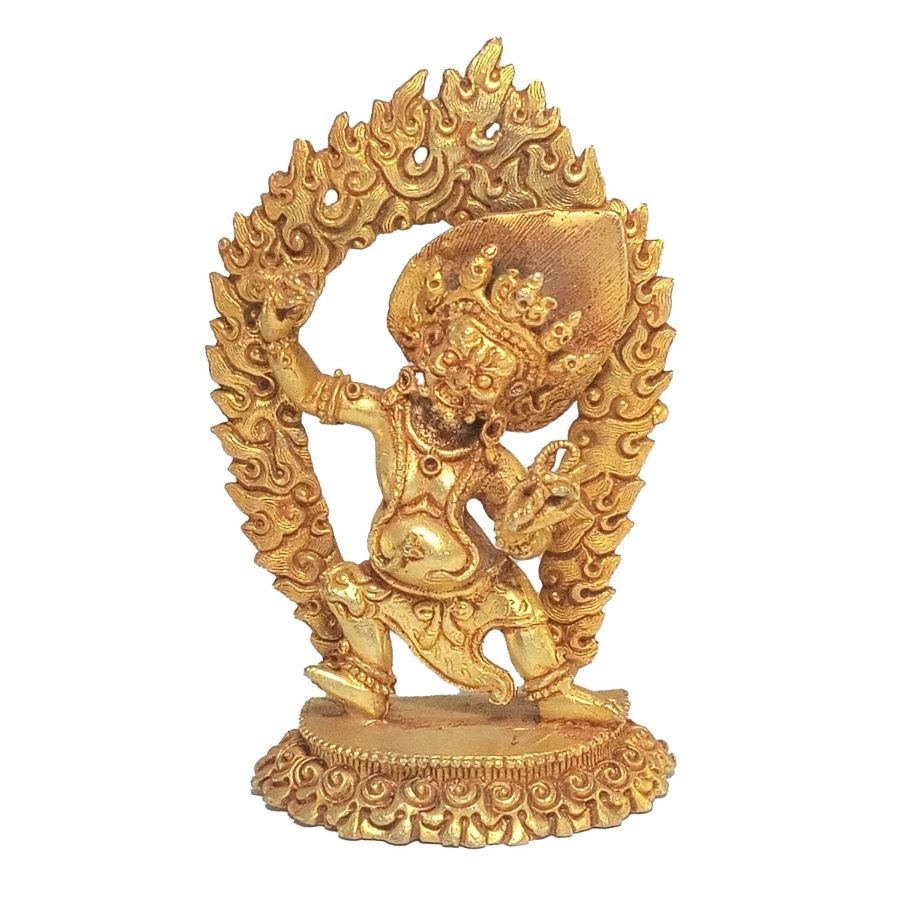
Nepali Small Statue Of Vajrapani , Full Gold Plated
| Seller | Handmade Handicraft |
|---|---|
| Product Tags | Handmade, Handicraft, Craft, Statue, Gold Plated, Idol, Sculpture, Vajrapani, Vajrapani Statue, Statue Of Vajrapani, |
| UK Size | 4 |
| Seller | Admin |
| Seller | Handmade Handicraft |
|---|---|
| Product Tags | Handmade, Handicraft, Craft, Statue, Gold Plated, Idol, Sculpture, Vajrapani, Vajrapani Statue, Statue Of Vajrapani, |
| UK Size | 4 |
| Seller | Admin |
Nepali Small Statue Of Vajrapani Full Gold Plated
Weight: 0.21 kg
Size: 10x3x6 cm
Material: Copper Gold Plated
About the Product
Finishing: FULL ELECTROPLATED
Process: Ceramic Molding System
Advantages of Ceramic Molding
The main advantages of ceramic molds are: a reusable pattern (the item used to create the shape of the mold) excellent surface finish close dimensional tolerances thin cross-sections and intricate shapes can be cast. For undercuts and other difficult to cast features part of the pattern can be made from wax in conjunction with a standard pattern; essentially using investment and ceramic mold casting techniques together. The main disadvantages are: it is only cost effective for small- to medium-sized production runs and the ceramic is not reusable. Ferrous and high-temperature non-ferrous are most commonly cast with these processes; other materials cast include: aluminum copper magnesium titanium and zinc alloys.
HOW TO CAST A CERAMIC MOLD
Vajrapani: Brief Introduction
Vajrapaṇi is one of the earliest bodhisattvas of Mahayana Buddhism. He is the protector and guide of the Buddha and rose to symbolize the Buddha's power. Vajrapani was used extensively in Buddhist iconography as one of the three protective deities surrounding the Buddha. Each of them symbolizes one of the Buddha's virtues: Manjusri (the manifestation of all the Buddhas' wisdom) Avalokitesvara (the manifestation of all the Buddhas' compassion) and Vajrapani (the manifestation of all the Buddhas' power). Furthermore Vajrapani is one of the earliest Dharmapalas and one of the rare Buddhist deities to be worshiped in the original Zen Buddhism of the Shaolin Temple Tibetan Buddhism and even Pure Land Buddhism (where he is known as Mahasthamaprapta). Manifestations of Vajrapani can also be found in many Buddhist temples in Japan as Dharma protectors called Nio.IconographyVajrapani is pictured dancing wildly within a halo of flames which represent transformation.
He holds a vajra (thunderbolt) in his right hand which emphasizes the power to cut through the darkness of delusion. Vajrapani looks wrathful but as a representation of the enlightened mind heÂ’s completely free from hatred.
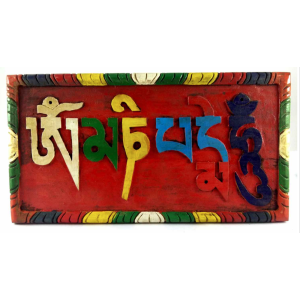
VajrapaniÂ’s mantra is simply his name which means "wielder of the thunderbolt" framed between the mystical syllables Om and Hūm. This mantra helps us to gain access to the irrepressible energy that Vajrapani symbolizes. A familiarity with Vajrapani does of course help here although the sound of the mantra is itself rather energetic.MantraThe Mantra oṃ vajrapāṇi hūṃ phaṭ is associated with Vajrapani. His Seed Syllable is hūṃ.
Matra of Vajrapani