
 Seller From: Nepal
simple
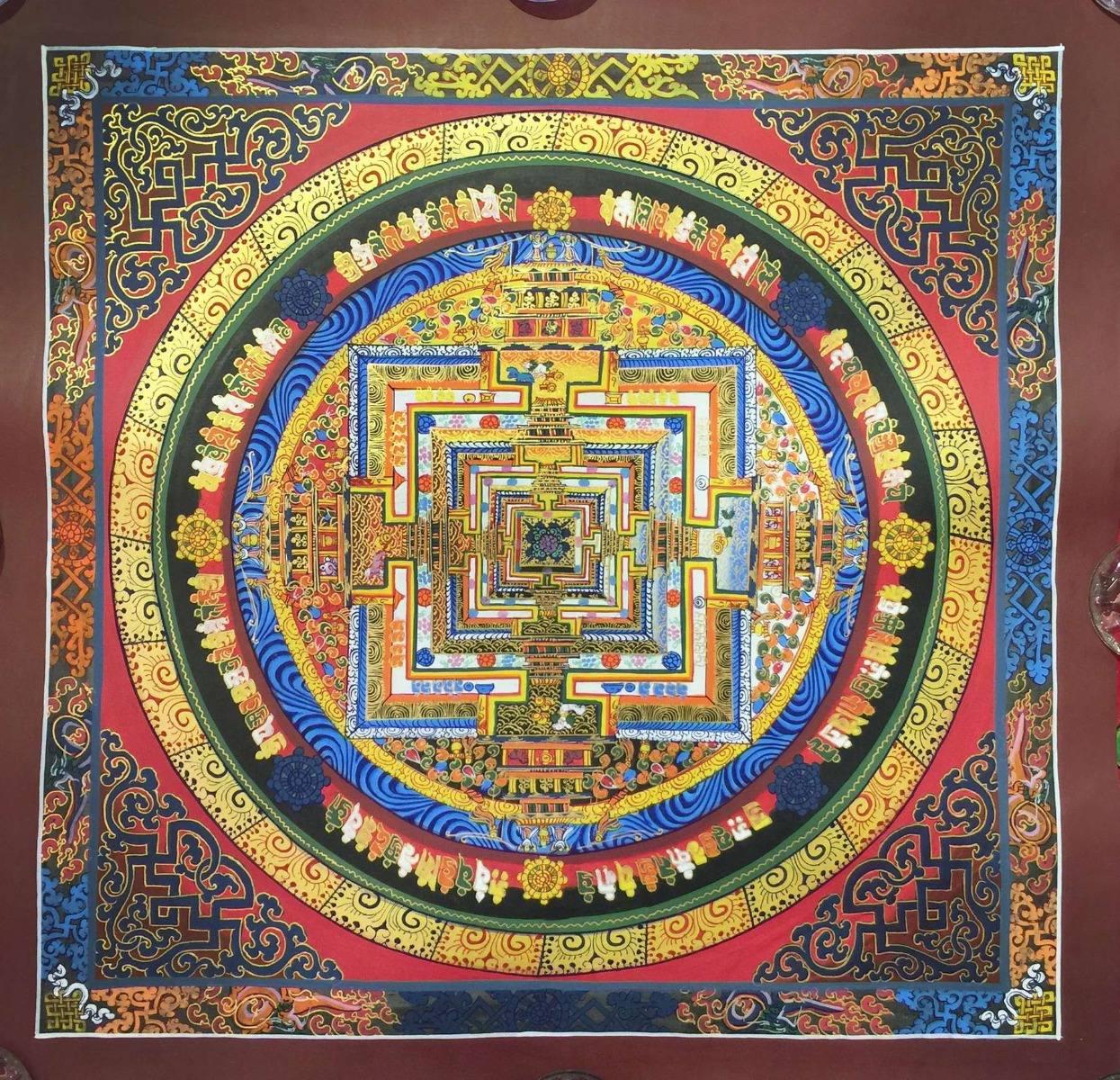
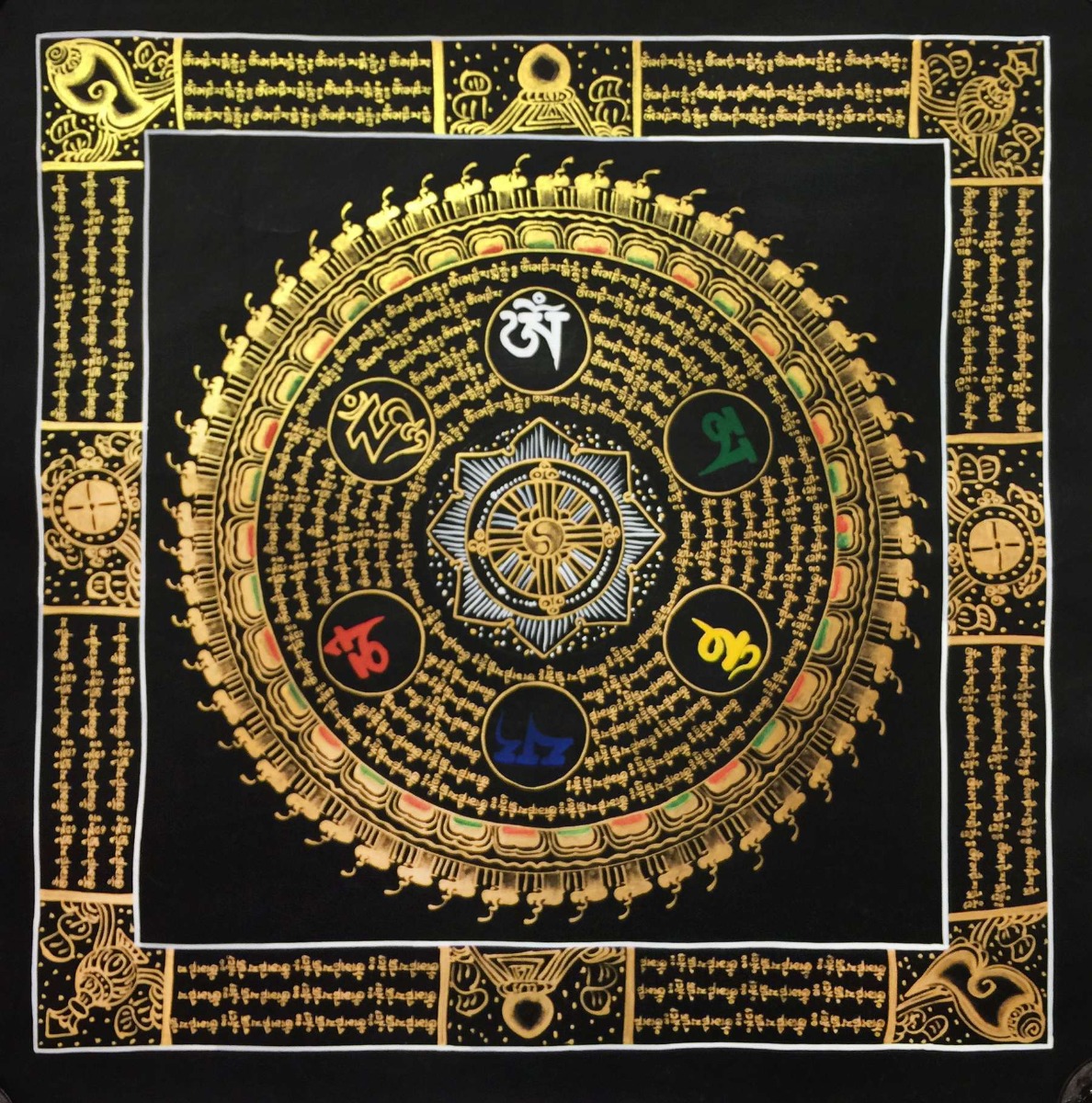
Tibetan Thangka of Mantra Mandala
SKU: HME21099|In stock
$35.70
INTRODUCTION TO THANKA
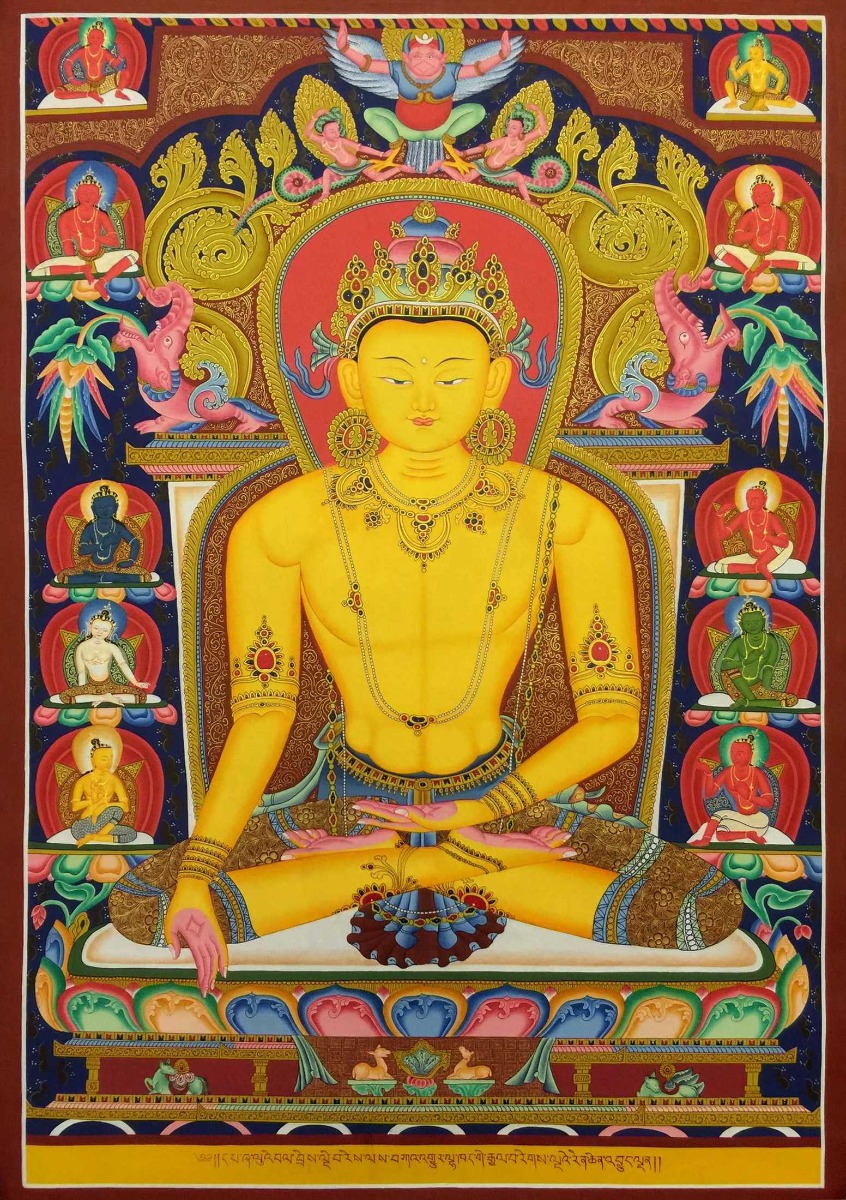
A thangka, variously spelt as thangka, tangka, thanka, or tanka (Nepali pronunciation: [ˈथान्का]; Tibetan: ཐང་ཀ་; Nepal Bhasa: पौभा), is a Tibetan Buddhist painting on cotton, silk appliqué, usually depicting a Buddhist deity, scene, or mandala. Thangkas are traditionally kept unframed and rolled up when not on display, mounted on a textile backing somewhat in the style of Chinese scroll paintings, with a further silk cover on the front. So treated, thangkas can last a long time, but because of their delicate nature, they have to be kept in dry places where moisture will not affect the quality of the silk.
| Size | 40X40cm |
| Material | Cotton Canvas and Natural Colors |
| Shipping Term | FOB |
|---|---|
| Unit Of Measure | Pcs |
| Package Weight | 0.0998 kgs |
| Min Order Qty | 10 |
| Max Order Qty | 10 |
| Available Stock | 10 |
More from Handmade Handicraft
View all productsSeller From: Nepal Seller From: Nepal
 Seller From: Nepal
 Seller From: Nepal
 Seller From: Nepal
INTRODUCTION TO THANKA
Most thangkas are relatively small, comparable in size to a Western half-length portrait, but some are extremely large, several metres in each dimension; these were designed to be displayed, typically for very brief periods on a monastery wall, as part of religious festivals. Most thangkas were intended for personal meditation or instruction of monastic students. They often have elaborate compositions including many very small figures. A central deity is often surrounded by other identified figures in a symmetrical composition. Narrative scenes are less common, but do appear.
MANDALA : BRIEF INTRODUCTION ON MADALA
Maṇḍala is a Sanskrit word meaning "circle." In the Buddhist and Hindu religious traditions sacred art often takes a mandala form. The basic form of most Hindu and Buddhist mandalas is a square with four gates containing a circle with a center point. Each gate is in the shape of a T.Mandalas often exhibit radial balance.
Maṇḍala is a Sanskrit word meaning "circle." In the Buddhist and Hindu religious traditions sacred art often takes a mandala form. The basic form of most Hindu and Buddhist mandalas is a square with four gates containing a circle with a center point. Each gate is in the shape of a T.Mandalas often exhibit radial balance.
These mandalas, concentric diagrams, have spiritual and ritual significance in both Buddhism and Hinduism. The term is of Hindu origin and appears in the Rig Veda as the name of the sections of the work, but is also used in other Indian religions, particularly Buddhism. In the Tibetan branch of Vajrayana Buddhism, mandalas have been developed into sandpainting. They are also a key part of anuttarayoga tantra meditation practices.
Similar products
 Seller From: United States
 Seller From: United States
 Seller From: United StatesSeller From: NepalSeller From: NepalSeller From: NepalSeller From: NepalSeller From: Nepal